Privacy for safety: A fair exchange in transportation security?
The need for transportation surveillance.
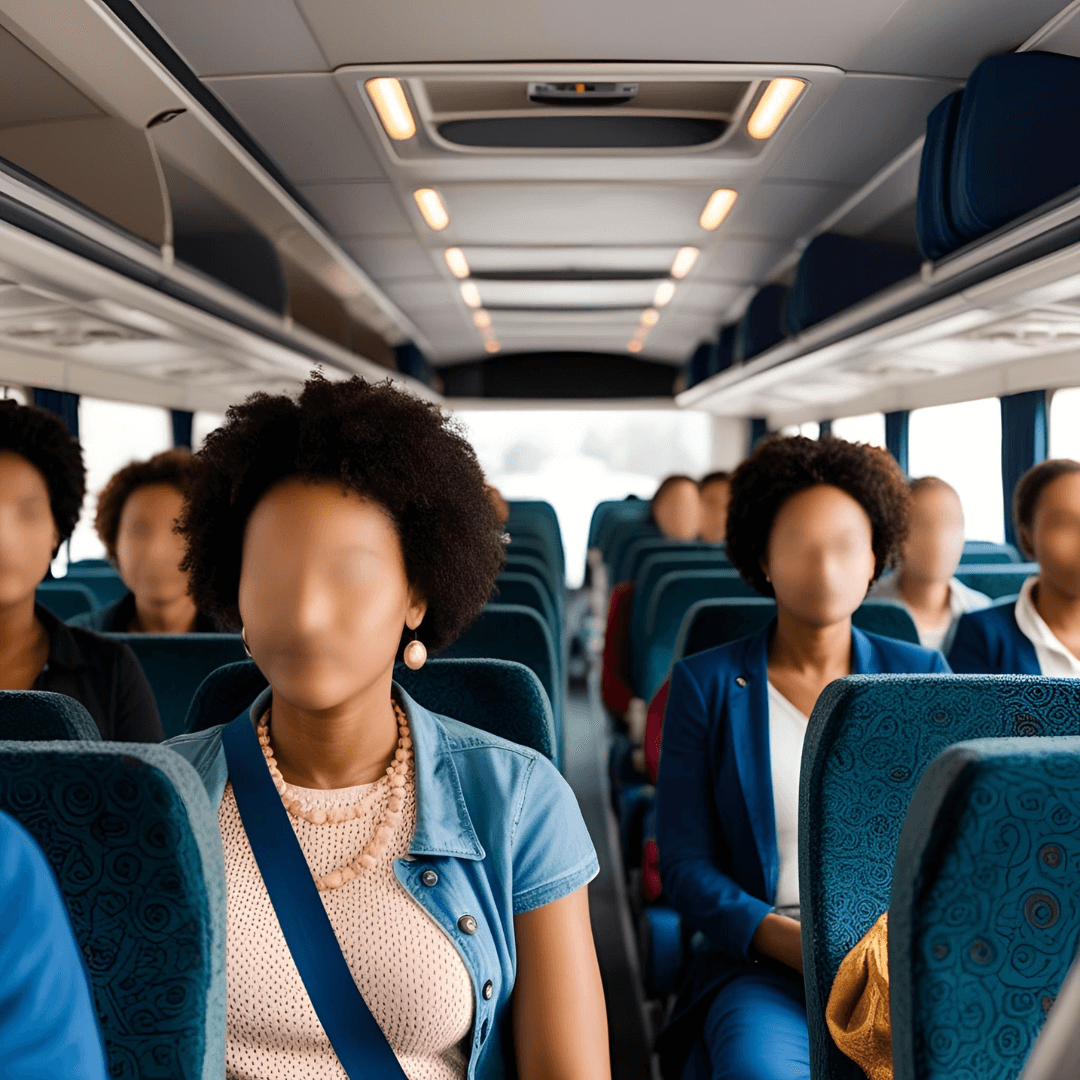
Surveillance in passenger transport does more than just watch. It boosts security, makes staff and riders feel safer, and helps manage vehicles better when paired with telemetry.When passengers or staff see cameras, they think twice before engaging in any troublesome activity. After installing surveillance systems, many cities report fewer crimes on buses and trains. Cameras help catch offenders and stop crimes before they happen.
Surveillance footage speeds up emergency responses. If an accident or fight occurs, video records show what really happened. Police and safety teams can review footage to understand the situation clearly. This helps solve problems faster and fairly. Plus, video evidence may be instrumental in resolving legal matters. Drivers are susceptible to harassment or threats. Real-time cameras can alert supervisors if something wrong occurs. Surveillance also provides a record if accusations arise. This encourages respectful treatment and makes staff feel safer on the job.
The challenge on passenger's privacy.
Using these technologies massively boosts safety. Increased surveillance comes with risks. Data collected could be misused or fall into the wrong hands. Passengers might feel uncomfortable, knowing they’re always watched. A constant eye on movement and personal info raises questions about abuse and privacy rights. Data breaches in transportation sectors have exposed sensitive details of travelers, making the problem even clearer.
Laws like the General Data Protection Regulation (GDPR) in Europe, the California Consumer Privacy Act (CCPA) in the US, and the Cyber and Data Protection Act in Zimbabwe govern how personal data should be handled. These laws focus on protecting personal info and limiting its use. However, their coverage of surveillance data like facial images or location info isn’t always clear. Many transportation agencies struggle to keep up with these rules or interpret them correctly.
Legal issues often involve whether passengers really agree to being watched or if surveillance crosses the line. Because technology moves fast, policies must be updated regularly. Clear rules should define what data can be collected, how it can be used, and how long it can be stored. Privacy-by-design strategies, meaning privacy is built into systems from the start, should be adopted to protect passengers effectively.
Transportation services gather many types of data: location info, facial scans, travel history, and payment details. If too much data is collected without proper controls, it becomes a risk. Over-collection can lead to privacy violations and makes it easier for hackers. Third-party companies sometimes get access to transportation data, whether for advertising or analytics. This raises fears about how this data is shared or sold without passengers knowing. Transparency is critical—passengers should be told how their info is used, how long it is kept, and who has access.
How to overcome the challenge on privacy.
Implementing Data Minimization and Anonymization Techniques One of the best ways to protect privacy is to collect only what's needed. Avoid gathering excessive personal data. Regular audits help find and remove unnecessary information. For instance, if a toll system only needs to record license plates, it shouldn’t store driver names or addresses unless strictly necessary.
Minimizing and anonymizing data reduces the chance of leaks or misuse. It also builds trust with the public. However, it can limit what data analysts need to improve systems. Sometimes, detailed data is essential for safety or efficiency. Finding the right balance takes careful planning.
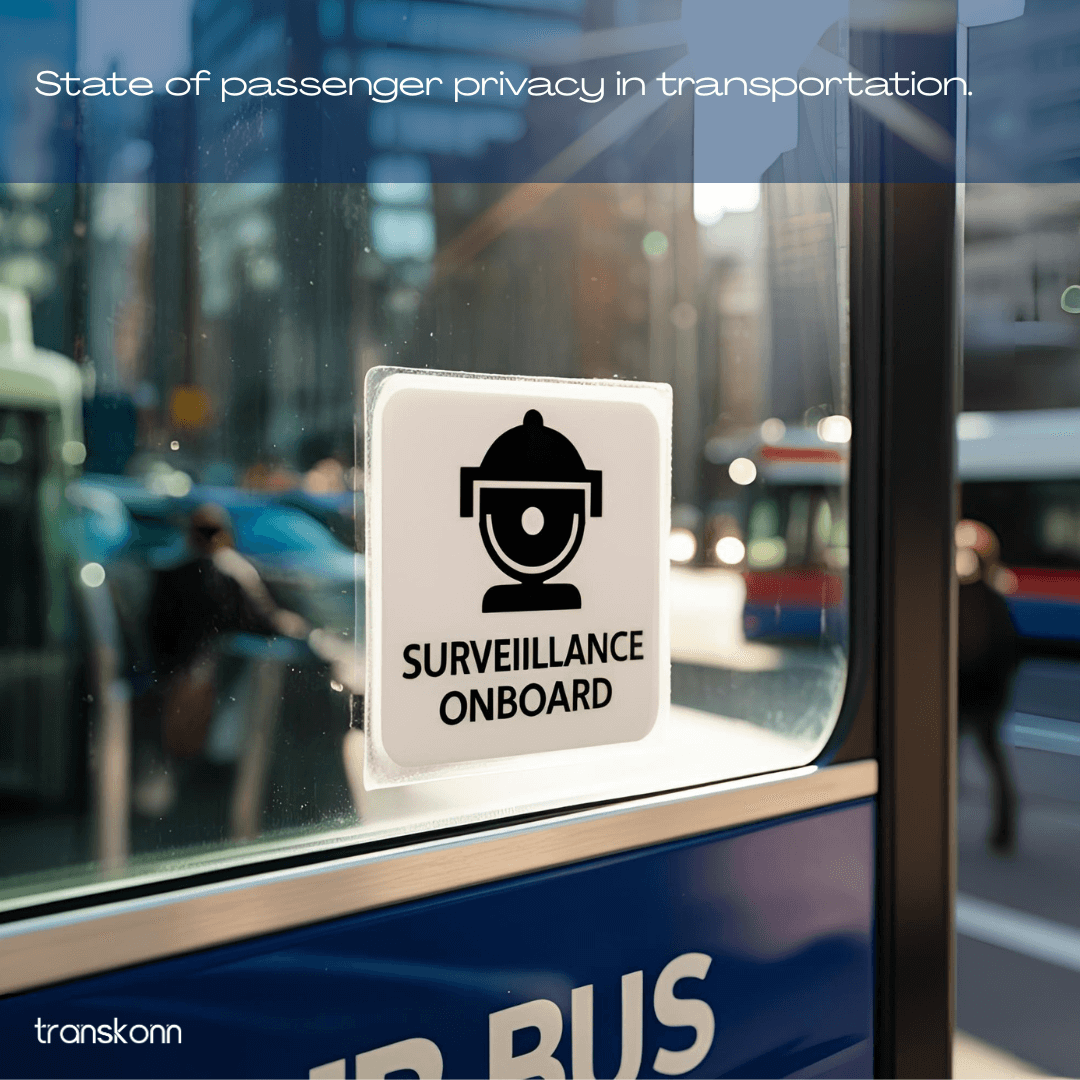
Simple and clear privacy notices are vital. People should easily understand what data is collected, why, and for how long. Consent processes must be straightforward. For example, ride-sharing apps often ask users to agree to terms before tracking begins. Transparency builds trust and reduces fears. In the case of transportation surveillance, adequate notice must be given through signage. Regular privacy impact assessments help spot risks early. Updating policies ensures they stay effective over time.
Conclusion.
It is a fair exchange-Transportation surveillance offers huge benefits but comes with privacy concerns. To keep a good balance, we must combine smart technology, strong policies, and community involvement. Collect only what’s necessary, anonymize data, and be open with the public. Use new tech to improve privacy. And enforce clear standards with oversight. Everyone—authorities, businesses, and users—has a role in protecting privacy while keeping transportation safe. Taking these steps today builds a future where safety and privacy go hand in hand.